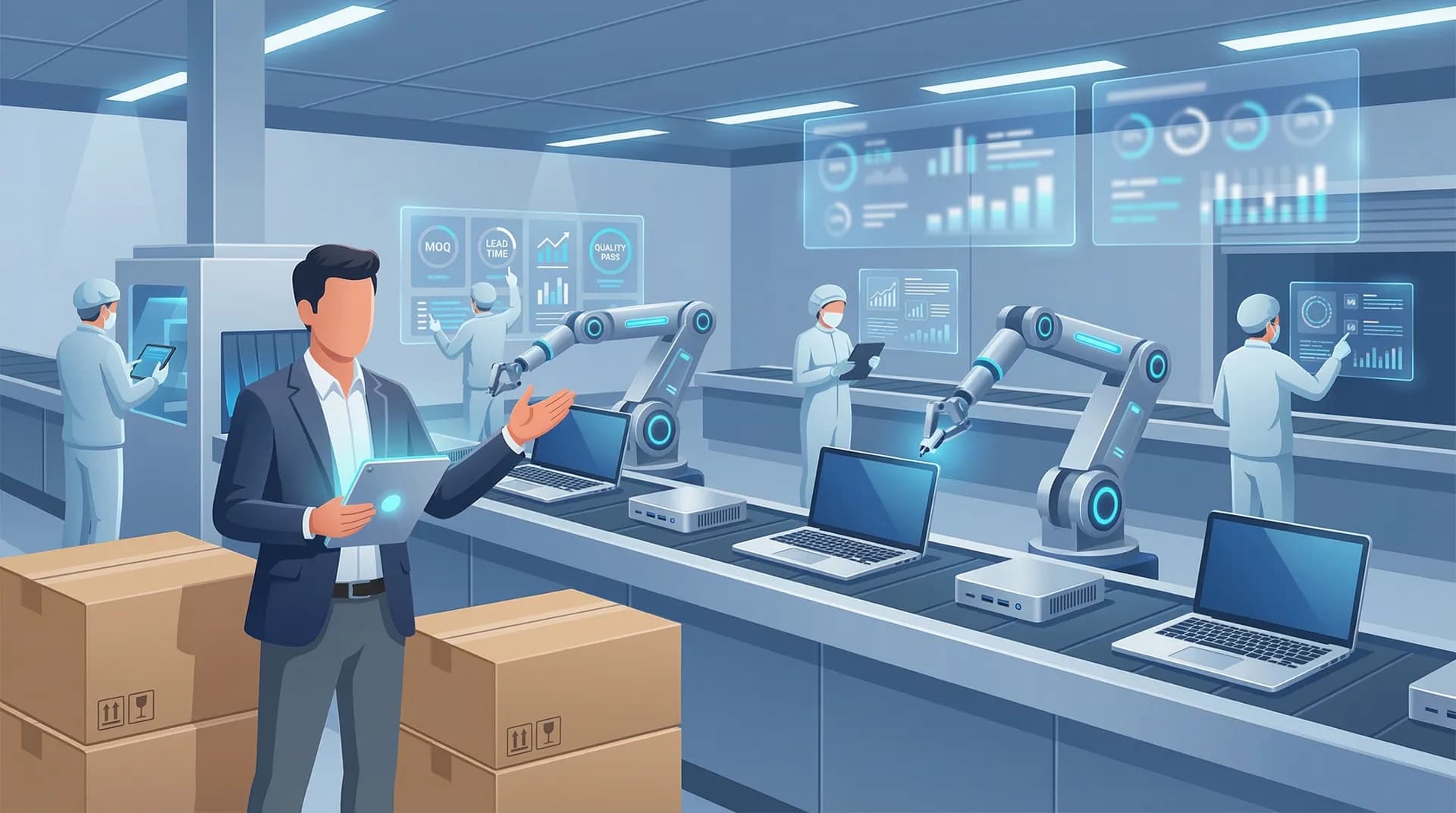
Last Updated: December 29, 2025 | Reading Time: 8 minutes | For: B2B Procurement Managers, Brand Companies, Distributors
Introduction
What does OEM actually mean in business, and why should you care as a B2B buyer?
If you're sourcing electronics, laptops, or mini PCs for your company, understanding OEM manufacturing is essential for making smart procurement decisions. The term "OEM" appears everywhere in business discussions, yet many buyers remain unclear about what it truly means and how it impacts their purchasing strategy.
This guide breaks down OEM manufacturing in plain language, explains how it works in the electronics industry, and shows you how to leverage OEM partnerships for your business advantage.
Key Takeaways:
-
Understand what OEM means in a business context
-
Learn how OEM manufacturing works step-by-step
-
Discover the benefits and considerations for B2B buyers
-
Get practical guidance on working with OEM manufacturers
Table of Contents
What Does OEM Mean in Business?
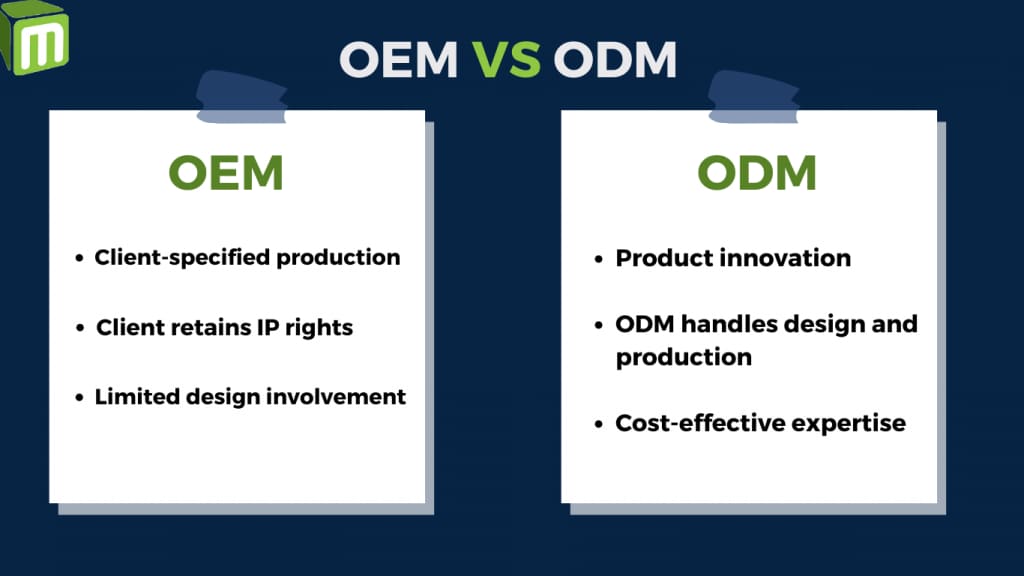
OEM stands for Original Equipment Manufacturer. In business terms, an OEM is a company that manufactures products or components that are purchased by another company and sold under that company's brand name.
Simple Definition:
An OEM makes products based on another company's specifications and designs. The buying company owns the design, and the OEM handles the production.
Key Characteristics of OEM Manufacturing:
-
Design Ownership: The client (buyer) owns the product design and intellectual property
-
Brand Control: Products are sold under the client's brand, not the manufacturer's
-
Custom Production: Manufacturing follows the client's exact specifications
-
Partnership Model: Long-term relationships between brand owners and manufacturers
Everyday Example:
Think of Apple and Foxconn. Apple designs the iPhone—every detail from the chip layout to the screen curvature. Foxconn (the OEM) manufactures millions of iPhones according to Apple's precise specifications. When you buy an iPhone, you're buying an Apple product, even though Foxconn physically made it.
This is OEM manufacturing in action: one company designs, another manufactures, and the product carries the designer's brand.
How OEM Manufacturing Works
Understanding the OEM process helps B2B buyers navigate partnerships more effectively.
The 5-Stage OEM Manufacturing Process
Stage 1: Design & Specification
The brand company creates detailed product specifications including:
-
Technical requirements (hardware, software, performance)
-
Physical design (dimensions, materials, aesthetics)
-
Quality standards and testing criteria
-
Packaging and branding requirements
Stage 2: Manufacturer Selection
The brand evaluates potential OEM partners based on:
-
Manufacturing capabilities and capacity
-
Quality certifications (ISO 9001, CE, FCC)
-
Previous experience with similar products
-
Pricing and minimum order quantities (MOQ)
Stage 3: Sample Development
Before mass production:
-
OEM creates prototype samples
-
Brand tests and approves samples
-
Iterations made until specifications are met
-
Final approval triggers production
Stage 4: Mass Production
The OEM handles:
-
Component sourcing and procurement
-
Assembly line production
-
Quality control at each stage
-
Packaging according to brand specifications
Stage 5: Delivery & Support
Final steps include:
-
Quality inspection before shipment
-
Logistics and delivery coordination
-
Warranty support and after-sales service
-
Ongoing production for repeat orders
OEM in Electronics: Real Examples
OEM manufacturing dominates the electronics industry. Here's how it works in practice:
Laptop Manufacturing
How Major Brands Use OEM:
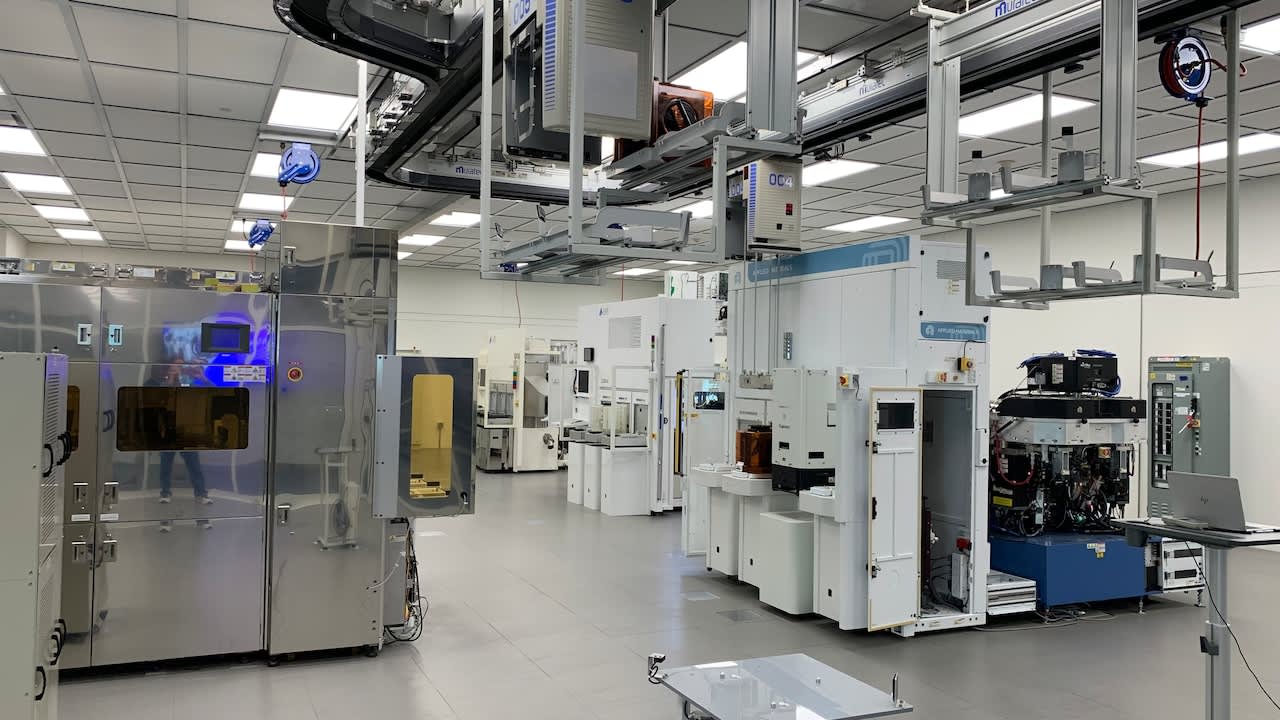
Most laptop brands don't manufacture their own products. Instead, they partner with OEM manufacturers:
| Brand | OEM Partners | What the Brand Does |
| :--- | :--- | :--- |
| HP | Quanta, Compal, Wistron | Design, marketing, sales |
| Dell | Compal, Wistron | Design, marketing, sales |
| Lenovo | Own factories + OEMs | Design, some manufacturing |
| Smaller Brands | Various OEMs | Branding, distribution |
What This Means for B2B Buyers:
When you purchase laptops for your business, you're often buying products manufactured by the same OEM factories that produce for major brands. The difference lies in:
-
Design specifications
-
Quality control standards
-
Brand reputation and support
-
Pricing and volume commitments
Mini PC Manufacturing
The mini PC market follows similar patterns:
-
Intel NUC: Intel designs, OEMs manufacture
-
Various Brands: Many mini PC brands use the same OEM factories
-
Custom Solutions: B2B buyers can work directly with OEMs for branded products
AIERXUAN Example:
As an OEM manufacturer, AIERXUAN produces laptops and mini PCs for brands worldwide. Companies provide their specifications and branding requirements, and AIERXUAN handles the complete manufacturing process—from component sourcing to final assembly and quality testing.
Benefits of OEM Manufacturing for B2B Buyers
Why should B2B buyers consider OEM partnerships?
1. Cost Efficiency
Lower Production Costs:
-
OEMs achieve economies of scale across multiple clients
-
Shared tooling and production line costs
-
Bulk component purchasing power
-
Reduced overhead compared to in-house manufacturing
Typical Savings:
B2B buyers working with OEMs typically see 20-40% cost savings compared to building in-house manufacturing capabilities.
2. Focus on Core Business
Concentrate Resources Where They Matter:
-
No need to invest in manufacturing facilities
-
Focus on product design, marketing, and sales
-
Leverage manufacturer expertise in production
-
Faster time-to-market for new products
3. Scalability
Flexible Production Volumes:
-
Scale up quickly for growing demand
-
Reduce orders during slow periods
-
Access to large production capacity without capital investment
-
Multiple product lines without multiple factories
4. Quality Assurance
Professional Manufacturing Standards:
-
ISO-certified production facilities
-
Established quality control processes
-
Experienced workforce and management
-
Continuous improvement systems
5. Access to Technology
Stay Current Without R&D Investment:
-
OEMs invest in latest manufacturing technology
-
Access to advanced production equipment
-
Benefit from manufacturer's technical expertise
-
Faster adoption of new components and features
Key Considerations When Choosing OEM
Not all OEM partnerships are equal. Here's what B2B buyers should evaluate:
Minimum Order Quantity (MOQ)
Understanding MOQ:
-
OEMs require minimum orders to justify production setup
-
MOQ varies by product complexity and customization level
-
Typical laptop OEM MOQ: 500-1,000 units
-
Some manufacturers offer lower MOQ for standard configurations
AIERXUAN MOQ:
-
Standard configurations: 100 units minimum
-
Custom designs: 500 units minimum
-
Sample orders: 1-10 units available
Lead Time
Production Timeline Factors:
-
Design complexity affects timeline
-
Component availability impacts delivery
-
Quality testing adds necessary time
-
Shipping method determines final delivery
Typical OEM Lead Times:
-
Standard products: 2-4 weeks
-
Custom products: 6-12 weeks
-
Rush orders: Available at premium pricing
Quality Certifications
Essential Certifications to Verify:
| Certification | What It Covers | Why It Matters |
| :--- | :--- | :--- |
| ISO 9001 | Quality management | Consistent production quality |
| CE | European safety standards | Required for EU sales |
| FCC | US electromagnetic compliance | Required for US sales |
| RoHS | Hazardous substance restrictions | Environmental compliance |
Communication & Support
Evaluate Before Committing:
-
Response time to inquiries
-
English language capabilities
-
Technical support availability
-
After-sales service structure
OEM vs Other Manufacturing Models
Understanding how OEM compares to other models helps clarify your options:
OEM vs ODM
| Aspect | OEM | ODM |
| :--- | :--- | :--- |
| Design Ownership | Client owns design | Manufacturer owns design |
| Customization | Unlimited | Limited modifications |
| Time to Market | Longer (3-6 months) | Faster (1-2 months) |
| Initial Investment | Higher | Lower |
| Product Exclusivity | 100% exclusive | Shared designs possible |
When to Choose OEM:
-
You have unique product requirements
-
Brand differentiation is critical
-
You have design capabilities
-
Long-term product roadmap planned
When to Choose ODM:
-
Need fast market entry
-
Limited R&D resources
-
Testing market demand
-
Budget constraints
OEM vs Contract Manufacturing
Contract Manufacturing:
-
Broader term covering various production arrangements
-
May include OEM, ODM, and other models
-
Often used interchangeably with OEM in practice
Key Difference:
OEM specifically implies the client owns the design and IP, while contract manufacturing can include various ownership arrangements.
Working with OEM Manufacturers: Practical Steps

Step 1: Define Your Requirements
Before contacting OEMs, document:
-
Product specifications (technical details)
-
Volume requirements (initial and projected annual)
-
Quality standards needed
-
Budget constraints
-
Timeline expectations
Step 2: Research Potential Partners
Look for OEMs with:
-
Experience in your product category
-
Appropriate certifications
-
Positive client references
-
Transparent communication
Step 3: Request Quotations
Get detailed quotes including:
-
Unit pricing at different volumes
-
MOQ requirements
-
Lead times
-
Payment terms
-
Warranty coverage
Step 4: Evaluate Samples
Before committing to bulk orders:
-
Order sample units
-
Test thoroughly against specifications
-
Verify build quality
-
Confirm performance standards
Step 5: Negotiate Terms
Key negotiation points:
-
Pricing and volume discounts
-
Payment schedule
-
Quality guarantees
-
Delivery commitments
-
IP protection clauses
Frequently Asked Questions
What does OEM mean in simple terms?
OEM (Original Equipment Manufacturer) means a company that makes products for another company to sell under their own brand. The buying company designs the product; the OEM manufactures it.
Is OEM the same as wholesale?
No. Wholesale involves buying finished products in bulk for resale. OEM involves manufacturing products according to your specifications. With OEM, you control the design; with wholesale, you buy existing products.
What is the typical MOQ for OEM laptop manufacturing?
MOQ varies by manufacturer and customization level:
-
Standard configurations: 100-500 units
-
Custom designs: 500-1,000 units
-
Highly customized products: 1,000+ units
AIERXUAN offers flexible MOQ starting from 100 units for standard configurations.
How long does OEM manufacturing take?
Timeline depends on product complexity:
-
Standard products: 2-4 weeks
-
Minor customization: 4-6 weeks
-
Full custom design: 8-16 weeks
Add shipping time (3-30 days depending on method).
What certifications should an OEM manufacturer have?
Essential certifications include:
-
ISO 9001 (quality management)
-
CE (European market)
-
FCC (US market)
-
RoHS (environmental compliance)
Additional certifications depend on your target markets.
Can small businesses work with OEM manufacturers?
Yes. Many OEMs now offer lower MOQ options for small businesses. AIERXUAN, for example, accepts orders starting from 100 units, making OEM accessible to smaller companies.
Ready to Explore OEM Manufacturing?
Understanding OEM manufacturing is the first step toward smarter B2B procurement. Whether you're launching a new product line or optimizing your supply chain, the right OEM partnership can transform your business capabilities.
Why Partner with AIERXUAN?
-
Flexible MOQ: Start with just 100 units
-
Fast Production: 7-15 days for standard configurations
-
Full Customization: Hardware, branding, packaging
-
Global Certifications: CE, FCC, RoHS, ISO 9001
-
Intel Partner: Authorized technology provider
-
Quality Guarantee: <0.5% defect rate
Next Steps
-
Request Information
Get detailed specifications and pricing for your requirements.
-
Download Product Catalog
Browse our complete range of laptop and mini PC solutions.
-
Schedule Consultation
Discuss your project with our engineering team.
Contact Information
AIERXUAN Electronics Manufacturing
-
Email: AIERXUAN sales team
-
WhatsApp: +86 138 2355 5906
-
Website: www.aierxuanlaptop.com
-
Factory: Shenzhen, China
-
Status: ISO 9001/14001 Certified | Intel Partner
Related Articles
-
OEM vs ODM Manufacturing: Complete Guide for Tech Brands 2025
Comprehensive comparison of OEM and ODM manufacturing models.
-
OEM Manufacturing in Electronics: How It Works
Deep dive into electronics-specific OEM processes.
-
How to Choose a Laptop Manufacturer: B2B Selection Guide
Framework for evaluating and selecting manufacturing partners.
Article Information:
-
Published: December 29, 2025
-
Category: Manufacturing Basics
-
Tags: OEM, OEM Meaning, OEM Manufacturing, B2B Procurement, Electronics Manufacturing
-
Reading Time: 8 minutes
-
Word Count: 2,050 words
Disclaimer: This article provides general information about OEM manufacturing. Specific requirements, costs, and timelines vary based on product specifications and market conditions. Contact AIERXUAN for accurate quotations tailored to your needs.

Bowen Yang
Sales Manager at AIERXUAN
Bowen works with overseas distributors, education buyers, and private-label hardware teams on laptop and Mini PC sourcing. He focuses on practical OEM/ODM requirements, sample confirmation, lead time, configuration options, and factory-direct communication.
View Author Profile →