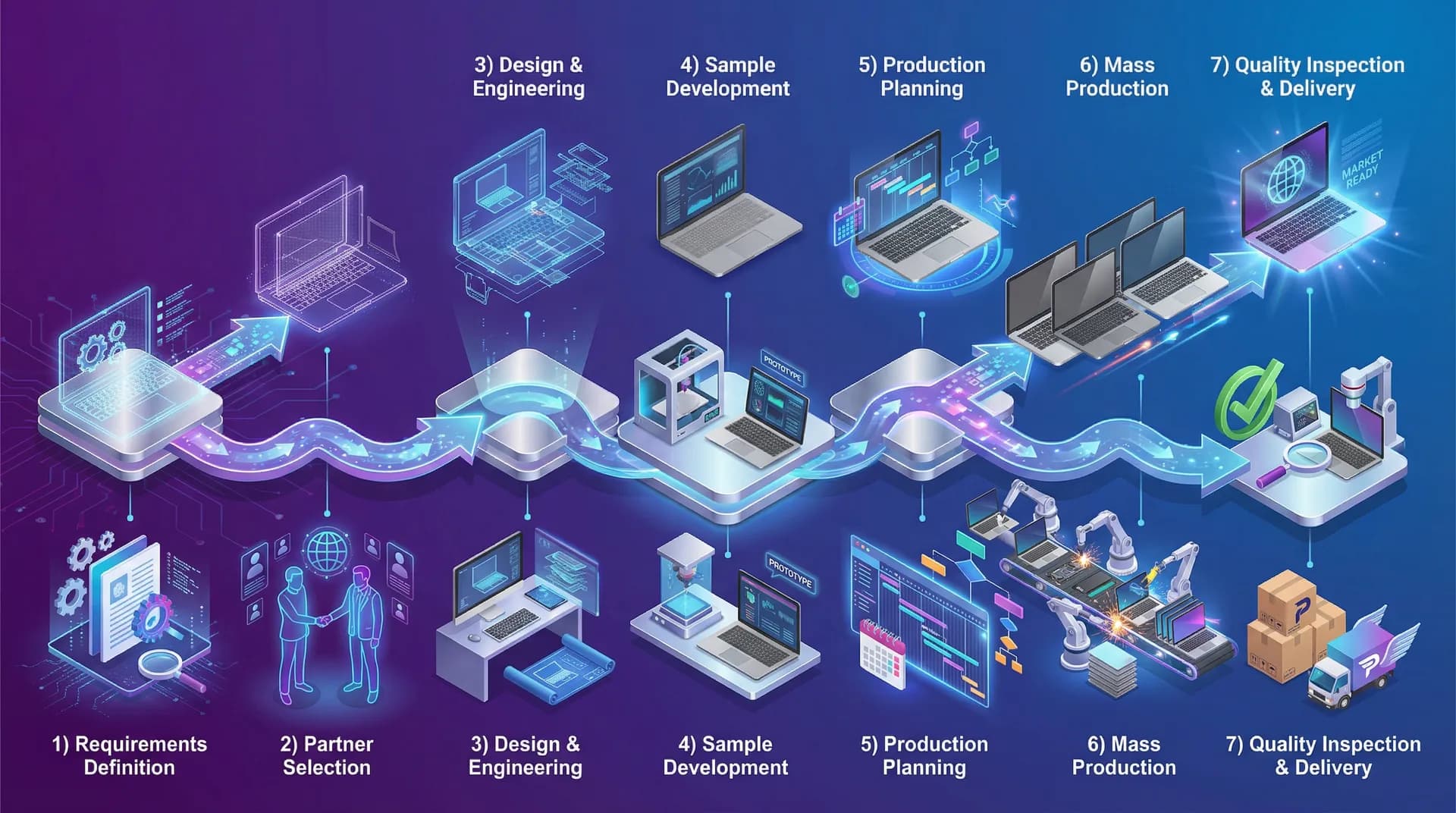
Last Updated: January 4, 2026 | Reading Time: 15 minutes | For: Brand Owners, Startups, Distributors, System Integrators
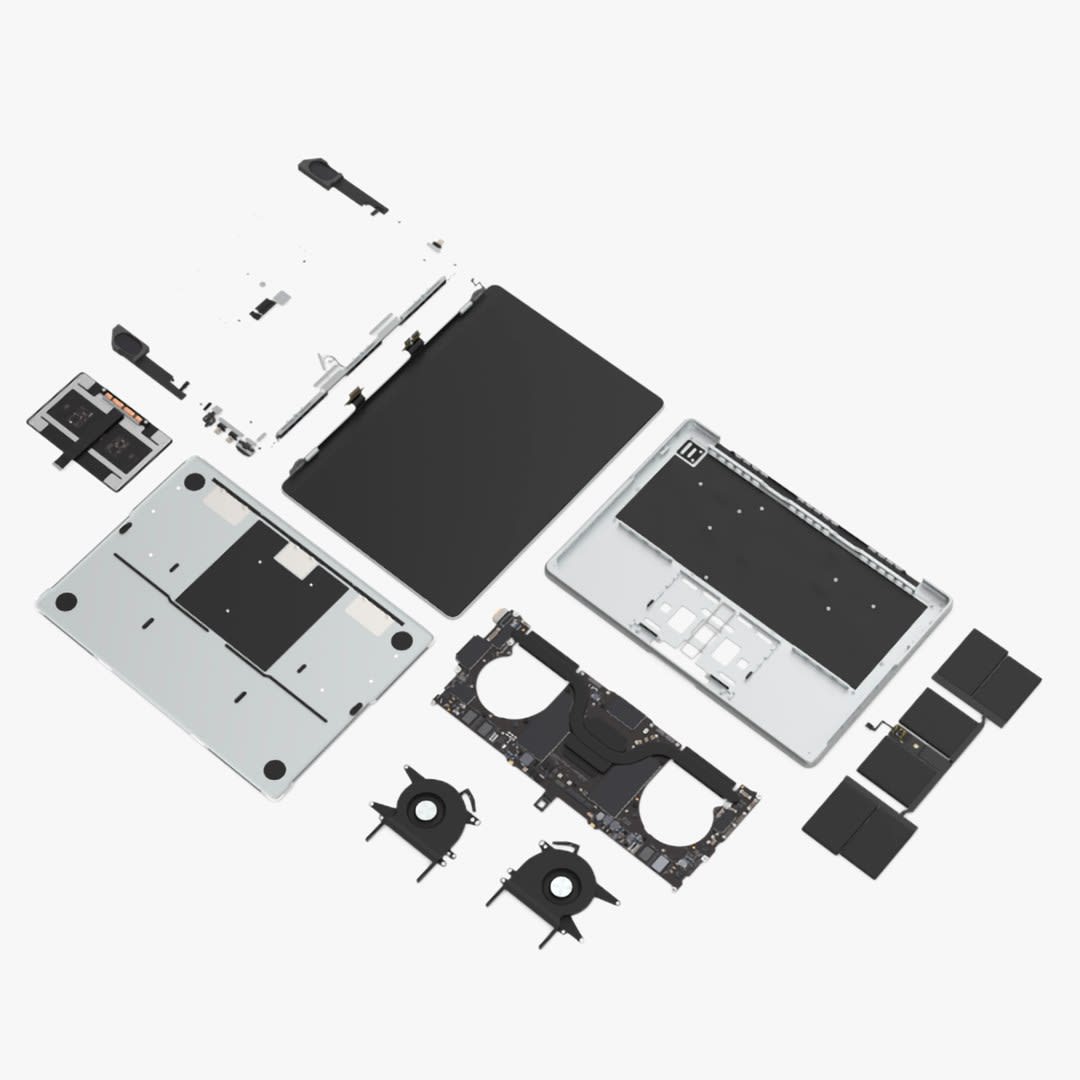
Introduction
Want to launch your own laptop brand but don't know where to start with manufacturing?
Custom laptop manufacturing has become accessible to businesses of all sizes. Whether you're a startup looking to enter the market, an established brand expanding your product line, or a distributor seeking private-label solutions, understanding the custom manufacturing process is essential for success.
This comprehensive guide walks you through every step—from initial concept to mass production—with real cost data, timeline expectations, and insider tips from 12+ years of OEM manufacturing experience.
In this guide, you'll learn:
- The complete custom laptop manufacturing process (7 stages)
- Realistic costs, MOQs, and timelines for different customization levels
- Hardware and software customization options available
- How to evaluate and select manufacturing partners
- Common mistakes to avoid and how to ensure quality
- Step-by-step roadmap to launch your laptop brand
Reading time: 15 minutes | Audience: B2B Procurement, Brand Managers, Entrepreneurs
Table of Contents
- What is Custom Laptop Manufacturing?
- Customization Levels: From Basic to Full Custom
- The 7-Stage Manufacturing Process
- Hardware Customization Options
- Software & Branding Customization
- Costs, MOQs, and Timelines
- Choosing a Manufacturing Partner
- Quality Assurance & Testing
- Common Mistakes to Avoid
- Frequently Asked Questions
What is Custom Laptop Manufacturing?
Custom laptop manufacturing is the process of having laptops built to your specific requirements—from hardware specifications to branding elements—by an OEM (Original Equipment Manufacturer) or ODM (Original Design Manufacturer).
How It Differs from Retail Purchasing
| Aspect | Retail Purchasing | Custom Manufacturing |
|---|---|---|
| Specifications | Fixed by brand | You define specs |
| Branding | Manufacturer's brand | Your brand |
| MOQ | 1 unit | 100-1,000+ units |
| Pricing | Retail markup | Factory direct |
| Customization | None | Hardware + software |
| Support | Manufacturer handles | You handle (or partner) |
Who Benefits from Custom Manufacturing?
1. Emerging Laptop Brands
- Launch your own product line without factory investment
- Control design, specs, and pricing
- Build brand equity from day one
2. System Integrators
- Pre-configure laptops for specific industries
- Add proprietary software and security features
- Offer turnkey solutions to enterprise clients
3. Distributors & Resellers
- Private-label products for higher margins
- Differentiate from competitors selling same brands
- Control your supply chain
4. Enterprise IT Departments
- Standardize hardware across organization
- Pre-install corporate software and security
- Negotiate volume pricing
5. Educational Institutions
- Custom-configured devices for students
- Pre-loaded educational software
- Durable designs for classroom use
For foundational knowledge about manufacturing models, see our Complete Guide to OEM Manufacturing.
Customization Levels: From Basic to Full Custom
Not all custom laptop projects require the same level of customization. Understanding the spectrum helps you choose the right approach for your budget and timeline.
Level 1: Configuration Only (ODM Base)
What it includes:
- Select from existing chassis designs
- Choose CPU, RAM, storage configurations
- Basic branding (boot logo, stickers)
- Standard packaging
Best for: Quick market entry, testing demand
MOQ: 100-300 units
Lead time: 2-4 weeks
Cost premium: 0-5% over base
Level 2: Branding Customization
What it includes:
- Everything in Level 1, plus:
- Custom BIOS splash screen
- Branded keyboard (logo on super key)
- Custom packaging design
- Pre-installed software
For Russia or EAEU distribution, also confirm Cyrillic keyboard legends, Windows language/input settings, labels, packaging, and document route; use the Russian keyboard OEM laptop procurement checklist before approving samples.
Best for: Building brand recognition
MOQ: 300-500 units
Lead time: 4-6 weeks
Cost premium: 5-10% over base
Level 3: Hardware Modification
What it includes:
- Everything in Level 2, plus:
- Modified port configuration
- Custom color options (existing chassis)
- Upgraded components (better display, speakers)
- Custom thermal solutions
Best for: Product differentiation
MOQ: 500-1,000 units
Lead time: 6-10 weeks
Cost premium: 10-20% over base
Level 4: Full Custom Design (OEM)
What it includes:
- Completely new chassis design
- Custom motherboard layout
- Unique industrial design
- Proprietary features
- Full IP ownership
Best for: Established brands, unique products
MOQ: 3,000-10,000+ units
Lead time: 4-8 months
Cost premium: 30-50%+ (includes tooling)
Customization Level Comparison
| Level | MOQ | Lead Time | Tooling Cost | Best For |
|---|---|---|---|---|
| Level 1 | 100 | 2-4 weeks | $0 | Market testing |
| Level 2 | 300 | 4-6 weeks | $500-2,000 | Brand building |
| Level 3 | 500 | 6-10 weeks | $5,000-15,000 | Differentiation |
| Level 4 | 3,000+ | 4-8 months | $50,000-200,000 | Unique products |
The 7-Stage Manufacturing Process
Understanding the complete manufacturing journey helps you plan timelines and budget accurately.
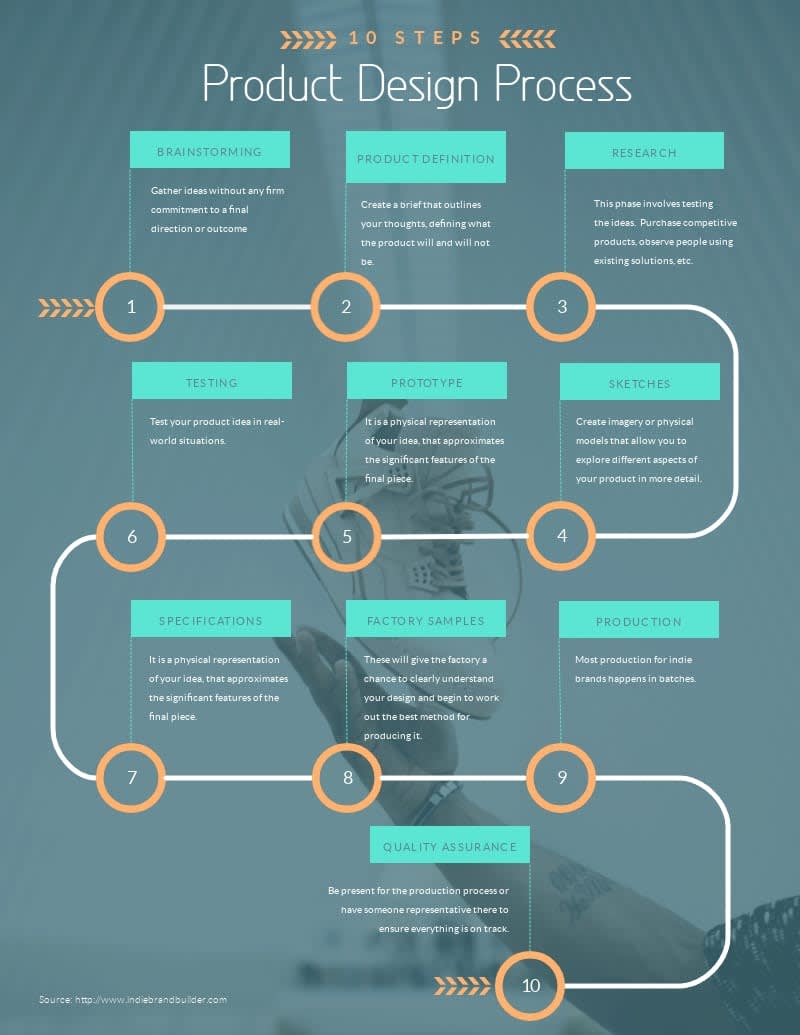
Stage 1: Requirements Definition (Week 1-2)
What happens:
- Define target market and use case
- Specify hardware requirements
- Outline branding needs
- Set budget parameters
Your deliverables:
- Product requirements document (PRD)
- Target specifications
- Budget range
- Volume projections
Manufacturer deliverables:
- Feasibility assessment
- Initial quotation
- Recommended configurations
Pro Tip: Be specific about your target customer. "Business laptop" is too vague. "14-inch laptop for remote sales teams needing all-day battery and video conferencing" gives manufacturers clear direction.
Stage 2: Partner Selection (Week 2-4)
What happens:
- Evaluate potential manufacturers
- Request detailed quotations
- Review certifications and capabilities
- Conduct reference checks
Key evaluation criteria:
- MOQ flexibility
- Customization capabilities
- Quality certifications (ISO 9001, CE, FCC)
- Communication responsiveness
- Financial stability
For detailed guidance, see our OEM Laptop Manufacturers: Top Suppliers in 2025.
Stage 3: Design & Engineering (Week 4-8)
What happens:
- Finalize hardware specifications
- Design branding elements
- Create packaging artwork
- Develop BIOS customizations
Key decisions:
- Component selection (CPU, RAM, storage options)
- Display specifications (resolution, panel type)
- Keyboard layout and language
- Port configuration
- Color and finish
Deliverables:
- Final bill of materials (BOM)
- Branding assets (logos, artwork)
- Packaging design files
- Software requirements
Stage 4: Sample Development (Week 8-12)
What happens:
- Manufacturer produces prototype samples
- You test and evaluate samples
- Iterations based on feedback
- Final approval for production
Sample types:
- EVT (Engineering Validation Test): First functional prototype
- DVT (Design Validation Test): Refined design, closer to final
- PVT (Production Validation Test): Production-ready sample
What to test:
- Hardware functionality
- Build quality and fit/finish
- Thermal performance
- Battery life
- Branding accuracy
Pro Tip: Order 3-5 samples minimum. Test in real-world conditions, not just on your desk. Have your target users evaluate them.
Stage 5: Production Planning (Week 12-14)
What happens:
- Finalize production schedule
- Secure component allocation
- Set up quality checkpoints
- Arrange logistics
Key considerations:
- Component lead times (CPUs can be 8-12 weeks)
- Production capacity allocation
- Quality inspection points
- Shipping method and timeline
Stage 6: Mass Production (Week 14-18)
What happens:
- Component procurement
- Assembly line production
- Quality control at each stage
- Packaging and labeling
Production timeline factors:
- Order quantity
- Component availability
- Customization complexity
- Quality requirements
Typical production rates:
- Small orders (100-500): 1-2 weeks
- Medium orders (500-2,000): 2-4 weeks
- Large orders (2,000+): 4-8 weeks
Stage 7: Quality Inspection & Delivery (Week 18-20)
What happens:
- Final quality inspection
- Pre-shipment testing
- Packaging verification
- Logistics coordination
Inspection options:
- Factory QC: Manufacturer's internal inspection
- Third-party inspection: Independent verification
- Your team on-site: Direct oversight
Shipping methods:
- Air freight: 5-7 days, higher cost
- Sea freight: 25-35 days, lower cost
- Express (DHL/FedEx): 3-5 days, highest cost
Hardware Customization Options
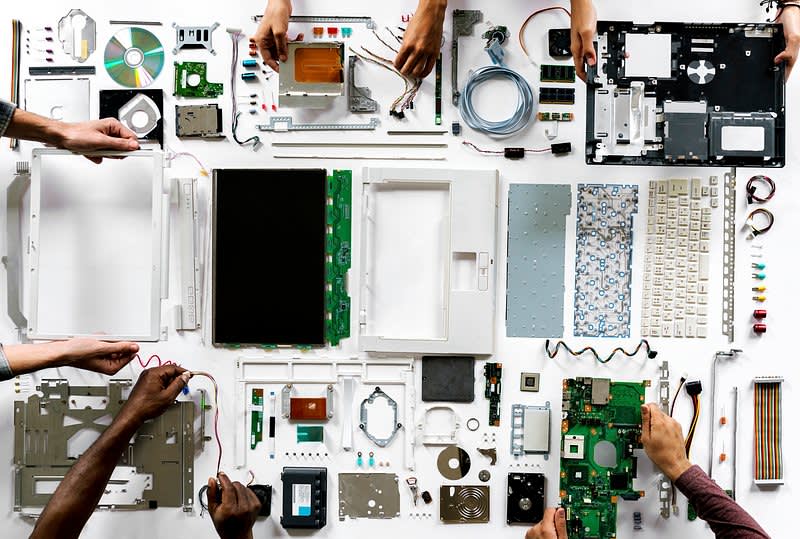
Processor (CPU) Options
| Segment | Intel Options | AMD Options | Best For |
|---|---|---|---|
| Entry | Core i3, Celeron | Ryzen 3 | Basic productivity |
| Mainstream | Core i5 | Ryzen 5 | Business, education |
| Performance | Core i7 | Ryzen 7 | Power users, content creation |
| High-end | Core i9 | Ryzen 9 | Workstation, gaming |
Considerations:
- Intel vPro for enterprise management
- AMD offers better multi-thread value
- Generation matters (13th/14th Gen Intel, Ryzen 7000/8000)
Memory (RAM) Configurations
| Configuration | Use Case | Notes |
|---|---|---|
| 8GB | Basic productivity | Minimum for Windows 11 |
| 16GB | Business standard | Recommended baseline |
| 32GB | Power users, development | Future-proof option |
| 64GB | Workstation, data analysis | Specialized needs |
Customization options:
- Soldered vs. upgradeable slots
- DDR4 vs. DDR5
- Single vs. dual channel
Storage Options
| Type | Capacity Range | Best For |
|---|---|---|
| SATA SSD | 256GB-2TB | Budget builds |
| NVMe Gen3 | 256GB-2TB | Mainstream |
| NVMe Gen4 | 512GB-4TB | Performance |
| Dual drive | SSD + HDD | Capacity + speed |
Display Specifications
| Specification | Options | Impact |
|---|---|---|
| Size | 13.3", 14", 15.6", 17.3" | Portability vs. productivity |
| Resolution | FHD, QHD, 4K | Clarity, battery life |
| Panel | IPS, OLED, VA | Color accuracy, contrast |
| Refresh rate | 60Hz, 120Hz, 144Hz | Smoothness, gaming |
| Touch | Yes/No | Use case dependent |
Port Configuration
Standard ports:
- USB-A (2-3 ports typical)
- USB-C (1-2 ports, Thunderbolt optional)
- HDMI (1.4 or 2.0)
- Audio jack
- SD card reader
Customization possibilities:
- Add/remove specific ports
- Thunderbolt 4 support
- Ethernet (RJ45) inclusion
- Legacy ports (VGA, serial) for industrial use
Software & Branding Customization
BIOS Customization
Available options:
- Custom boot logo (your brand)
- Modified boot sequence
- Locked settings for security
- Custom system information display
Advanced options (higher MOQ):
- Custom BIOS interface
- Hardware-level security features
- Remote management integration
Operating System Options
| Option | Description | Best For |
|---|---|---|
| Windows 11 Pro | Full-featured, enterprise management | Business |
| Windows 11 Home | Consumer features | Retail, education |
| FreeDOS | No OS, customer installs | Linux users, cost savings |
| Custom Linux | Pre-installed Linux distro | Specialized markets |
Pre-installation services:
- Windows activation
- Driver installation
- Software pre-loading
- System imaging
Branding Elements
Physical branding:
-
Logo on lid (laser etching, printing, metal badge)
-
Logo on palm rest
-
Branded keyboard (super key)
-
Custom color options
Digital branding:
- Boot splash screen
- Desktop wallpaper
- System information branding
- Custom recovery partition
Packaging branding:
- Custom box design
- Branded accessories
- User documentation
- Warranty cards
Pre-Installed Software
Common requests:
- Productivity suites (Microsoft 365, LibreOffice)
- Security software (antivirus, VPN)
- Management tools (MDM agents)
- Industry-specific applications
- Company portals and tools
Pro Tip: Keep pre-installed software minimal. Bloatware frustrates users and increases support calls. Focus on essential tools only.
Costs, MOQs, and Timelines
Realistic Cost Breakdown
Example: 14-inch Business Laptop (Core i5, 16GB, 512GB SSD)
| Cost Component | Amount (USD) | % of Total |
|---|---|---|
| Components | $380-420 | 65-70% |
| Assembly & testing | $25-35 | 4-6% |
| Branding & packaging | $15-25 | 2-4% |
| Manufacturer margin | $50-70 | 8-12% |
| FOB Price | $470-550 | 100% |
Additional costs:
- Shipping: $15-40/unit (depending on method)
- Import duties: 0-5% (varies by country)
- Certifications: $5,000-15,000 (one-time)
- Tooling: $0-50,000+ (depending on customization)
MOQ by Customization Level
| Customization | Typical MOQ | Negotiable To |
|---|---|---|
| Configuration only | 100 units | 50 units* |
| Basic branding | 300 units | 100 units* |
| Hardware modification | 500 units | 300 units |
| Full custom design | 3,000 units | 1,000 units |
*With flexible manufacturers like AIERXUAN
Timeline Summary
| Phase | Duration | Cumulative |
|---|---|---|
| Requirements & partner selection | 2-4 weeks | Week 4 |
| Design & engineering | 4-6 weeks | Week 10 |
| Sample development | 4-6 weeks | Week 16 |
| Production | 2-6 weeks | Week 22 |
| Shipping (sea) | 4-5 weeks | Week 27 |
Total timeline: 5-7 months for first order (subsequent orders: 4-8 weeks)
Volume Pricing Example
| Order Quantity | Unit Price | Total Investment |
|---|---|---|
| 100 units | $550 | $55,000 |
| 300 units | $510 | $153,000 |
| 500 units | $480 | $240,000 |
| 1,000 units | $450 | $450,000 |
| 3,000 units | $420 | $1,260,000 |
For detailed cost analysis, see our ODM vs OEM Cost Analysis.
Choosing a Manufacturing Partner
Manufacturer Tiers
| Tier | Examples | MOQ | Best For |
|---|---|---|---|
| Tier 1 | Quanta, Compal, Wistron | 10,000+ | Major brands |
| Tier 2 | Regional ODMs | 1,000-5,000 | Mid-size brands |
| Tier 3 | Flexible OEMs (AIERXUAN) | 100-1,000 | SMBs, startups |
| Trading companies | Various | 50-500 | Very small orders |
Essential Evaluation Criteria
1. Manufacturing Capabilities
- Production capacity
- Customization options
- Technology partnerships (Intel, AMD)
- Quality certifications
2. Quality Systems
- ISO 9001 certification
- Quality control processes
- Defect rates (ask for data)
- Warranty handling
3. Communication
- English proficiency
- Response time
- Project management
- Technical support
4. Financial Stability
- Years in business
- Client references
- Payment terms
- Insurance coverage
Red Flags to Watch
⚠️ Warning signs:
- Unwilling to provide references
- No factory visit option
- Extremely low prices (too good to be true)
- Poor communication during inquiry
- No quality certifications
- Requests full payment upfront
Questions to Ask
- What is your minimum order quantity for custom-branded laptops?
- Can you provide 3 references from similar-sized clients?
- What certifications do your products carry?
- What is your typical defect rate?
- How do you handle warranty claims?
- Can I visit your factory?
- What is your production capacity?
- How do you handle component shortages?
Quality Assurance & Testing
Manufacturing Quality Checkpoints
Incoming Quality Control (IQC)
- Component inspection
- Supplier verification
- Material testing
In-Process Quality Control (IPQC)
- Assembly verification
- Functional testing at each stage
- Visual inspection
Outgoing Quality Control (OQC)
- Final functional testing
- Cosmetic inspection
- Packaging verification
Testing Requirements
| Test Type | What It Covers | Duration |
|---|---|---|
| Functional | All hardware works | 30-60 min |
| Burn-in | Stress test under load | 4-24 hours |
| Thermal | Temperature management | 2-4 hours |
| Battery | Capacity and charging | 8-12 hours |
| Drop/shock | Physical durability | Per sample |
Acceptance Quality Limit (AQL)
| Defect Type | AQL Level | Meaning |
|---|---|---|
| Critical | 0% | No tolerance (safety issues) |
| Major | 1.0% | Affects function |
| Minor | 2.5% | Cosmetic issues |
Third-Party Inspection
When to use:
- First order with new manufacturer
- Large orders (1,000+ units)
- Quality concerns from samples
- High-value products
Inspection companies:
- SGS
- Bureau Veritas
- Intertek
- Asia Inspection
Cost: $300-500 per inspection day
Common Mistakes to Avoid
Mistake 1: Underestimating Timeline
The problem: Expecting laptops in 4 weeks when realistic timeline is 12+ weeks.
The solution: Plan for 5-7 months for first order. Build buffer for component delays.
Mistake 2: Skipping Sample Evaluation
The problem: Approving production based on specifications alone.
The solution: Always order and thoroughly test samples. Have target users evaluate them.
Mistake 3: Choosing on Price Alone
The problem: Selecting cheapest manufacturer, getting quality issues.
The solution: Evaluate total cost including quality, support, and potential returns.
Mistake 4: Unclear Specifications
The problem: Vague requirements lead to mismatched expectations.
The solution: Document every detail. Use specification templates. Get written confirmation.
Mistake 5: Ignoring Certifications
The problem: Products can't be sold in target markets due to missing certifications.
The solution: Verify CE, FCC, and other required certifications before production.
Mistake 6: No Quality Agreement
The problem: Disputes over defects with no clear resolution process.
The solution: Establish AQL levels, inspection procedures, and warranty terms in contract.
Mistake 7: Overcomplicating First Order
The problem: Requesting full custom design for first 100 units.
The solution: Start with Level 1-2 customization. Increase complexity with volume.
Frequently Asked Questions
What is the minimum order for custom laptops?
MOQ varies by manufacturer and customization level:
- Configuration only: 100-300 units
- Basic branding: 300-500 units
- Hardware modification: 500-1,000 units
- Full custom design: 3,000-10,000 units
AIERXUAN offers flexible MOQ starting from 100 units for standard configurations with branding.
How long does custom laptop manufacturing take?
First order timeline: 5-7 months total
- Requirements & partner selection: 2-4 weeks
- Design & engineering: 4-6 weeks
- Sample development: 4-6 weeks
- Production: 2-6 weeks
- Shipping: 1-5 weeks
Repeat orders: 4-8 weeks (production + shipping)
What certifications do I need for my laptops?
Required certifications depend on your target market:
- USA: FCC (electromagnetic compatibility)
- Europe: CE marking (safety, EMC)
- Global: RoHS (hazardous substances)
- Optional: ENERGY STAR, EPEAT, TCO
Your manufacturer should provide these certifications. Verify before production.
Can I customize the keyboard layout?
Yes, keyboard customization options include:
- Language layouts (US, UK, German, French, etc.)
- Branded super key (your logo instead of Windows)
- Backlight options (single color, RGB)
- Key travel and feel (within chassis constraints)
Custom keyboard layouts typically require 500+ unit MOQ.
How do I protect my design from being copied?
Design protection strategies:
-
NDA (Non-Disclosure Agreement): Sign before sharing designs
-
Tooling ownership: Own the molds for custom chassis
-
Exclusive agreements: Negotiate exclusivity for your designs
-
IP registration: Register designs in key markets
-
Trusted partners: Work with established manufacturers
What warranty should I offer customers?
Industry standard warranties:
- Consumer laptops: 1-2 years
- Business laptops: 3 years
- Extended options: Up to 5 years
Your manufacturer typically provides 1-year warranty to you. You define warranty terms for your customers.
Can I start with a small test order?
Yes, many manufacturers offer sample or pilot orders:
- Sample order: 1-10 units for evaluation
- Pilot order: 50-100 units for market testing
- Production order: Full MOQ for regular sales
AIERXUAN offers sample orders starting from 1 unit and pilot orders from 50 units.
How do I handle after-sales support?
After-sales support options:
- In-house support: Build your own support team
- Manufacturer support: Partner handles repairs
- Third-party service: Contract with service providers
- Hybrid model: Level 1 in-house, Level 2+ outsourced
Discuss support arrangements with your manufacturer during partner selection.
Key Takeaways
- Start with clear requirements: Define your target market, specifications, and budget before contacting manufacturers
- Choose appropriate customization level: Match customization to your volume and budget
- Plan realistic timelines: First orders take 5-7 months; build buffer for delays
- Evaluate partners thoroughly: Don't choose on price alone; quality and communication matter
- Test samples rigorously: Never approve production without hands-on evaluation
- Document everything: Clear specifications and contracts prevent disputes
- Start simple, scale up: Begin with basic customization, increase complexity with experience
Ready to Launch Your Laptop Brand?
Custom laptop manufacturing is more accessible than ever. With the right partner and proper planning, you can bring your laptop brand to market in 6-8 months.
Why Choose AIERXUAN for Custom Manufacturing?
- ✅ Flexible MOQ: Start with just 100 units
- ✅ Fast Turnaround: 7-15 days production for standard configs
- ✅ Full Customization: Hardware, BIOS, branding, packaging
- ✅ Quality Assured: ISO 9001 certified, <0.5% defect rate
- ✅ Intel Partner: Direct component access, no allocation issues
- ✅ Experienced Team: 12+ years, 500+ B2B clients worldwide
Your Next Steps
-
Define Your Requirements
Download our [Product Requirements Template] to document your specifications. -
Request a Quotation
📧 Email us with your requirements for a detailed quote within 48 hours. -
Schedule a Consultation
📞 Book a call with our engineering team to discuss your project. -
Order Samples
Start with 1-5 sample units to evaluate quality before committing to production.
Contact Information
AIERXUAN Electronics Manufacturing
- 📧 Email: AIERXUAN sales team
- 📞 WhatsApp: +86 138 2355 5906
- 🌐 Website: www.aierxuanlaptop.com
- 🏭 Factory: Shenzhen, China
ISO 9001/14001 Certified | Intel Technology Partner
Related Articles
- OEM vs ODM Manufacturing: Complete Guide for Tech Brands 2025 - Understand manufacturing models
- What is OEM Manufacturing? Complete Explanation for B2B Buyers - OEM fundamentals
- ODM vs OEM: Cost Analysis for Laptop Manufacturing - Detailed cost breakdowns
- OEM Laptop Manufacturers: Top Suppliers in 2025 - Compare manufacturers
- How to Build a Custom Laptop: B2B Manufacturing Guide - Step-by-step process
- Custom Gaming Laptop Manufacturing: OEM Solutions - Gaming-specific guide
Article Information:
- Published: January 4, 2026
- Category: Custom Manufacturing
- Tags: Custom Laptop, OEM Manufacturing, Private Label, B2B, Laptop Brand
- Word Count: 3,850 words
Sources: AIERXUAN Production Data 2024, TrendForce Notebook Market Report 2024, IDC Worldwide PC Tracker

Bowen Yang
Sales Manager at AIERXUAN
Bowen works with overseas distributors, education buyers, and private-label hardware teams on laptop and Mini PC sourcing. He focuses on practical OEM/ODM requirements, sample confirmation, lead time, configuration options, and factory-direct communication.
View Author Profile →